How Often Should You Replace Your Roof?
Your roof protects your home from rain, wind, heat, and severe weather. But like any part of your home, it won't last forever.
The right time to replace a roof depends on several factors, including the roofing material, installation quality, weather exposure, maintenance, and overall condition.
1. Consider the Age of Your Roof
The age of your roof is one of the first things to consider.
Different roofing materials have different expected service lives. An older roof may still look good from the ground while its underlying materials are beginning to deteriorate.
If you aren't sure how old your roof is, a professional inspection can help determine its current condition.
2. Look for Frequent Repairs
Occasional repairs are normal, especially after storms. However, if you find yourself repeatedly repairing leaks, shingles, flashing, or other roofing components, replacement may eventually become more practical.
Adding up repeated repair costs can help you determine whether continued repairs make financial sense.
3. Check for Widespread Shingle Damage
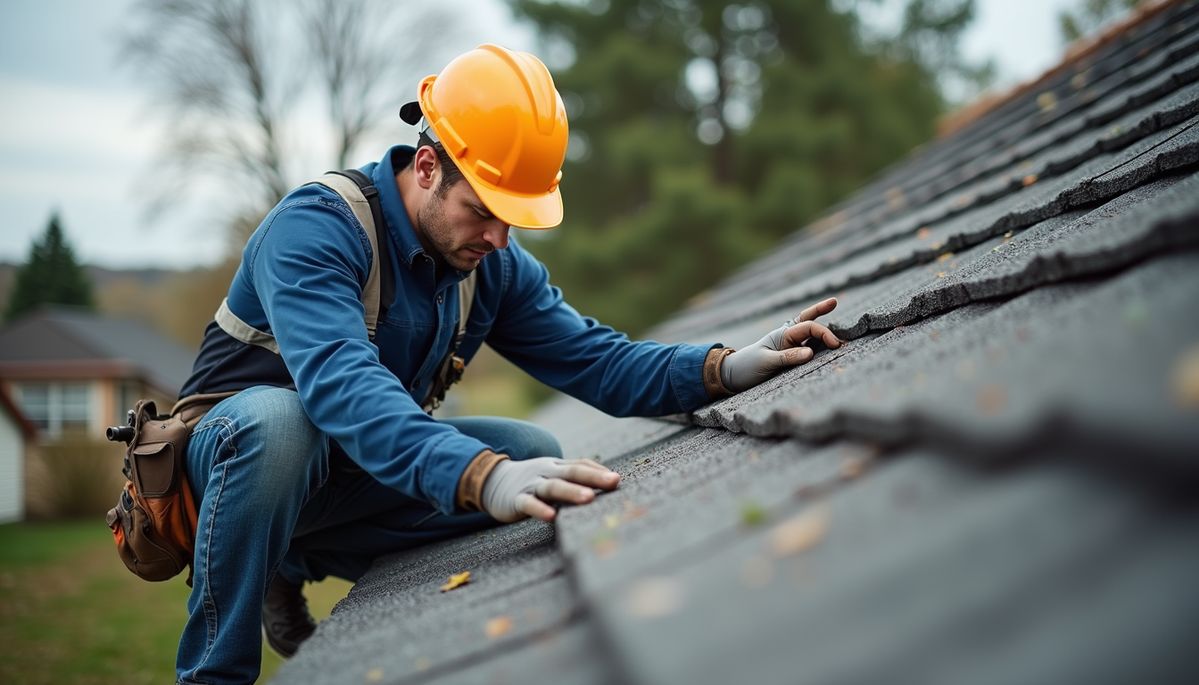
A few damaged shingles can often be repaired. But if large areas of the roof have cracked, curled, missing, or deteriorating shingles, the roofing system may be approaching the end of its useful life.
A professional roofer can inspect the roof and determine whether localized repairs are sufficient or whether replacement should be considered.
4. Watch for Leaks and Water Damage
Water stains on ceilings, damp attic insulation, or signs of moisture around roof penetrations can indicate a roofing problem.
A leak doesn't automatically mean you need a new roof. In many cases, the problem can be repaired. However, widespread or recurring leaks may indicate that the roofing system needs more extensive work.
5. Consider Your Local Weather
Severe weather can shorten the life of a roof. High winds, hail, heavy rain, extreme heat, and repeated storms can all contribute to roofing deterioration.
If your area experiences frequent severe weather, regular inspections become especially important.
6. Don't Wait for a Major Leak
One of the biggest mistakes homeowners make is waiting until water is pouring through the ceiling before taking action.
By that point, moisture may have already affected insulation, drywall, wood, or other parts of the home.
A professional inspection can identify potential problems before they become major repairs.
Repair or Replace?
Not every aging roof needs to be replaced immediately.
If the damage is limited to a small area and the rest of the roof is in good condition, a repair may be the better option. If the roof has widespread deterioration, repeated leaks, or is nearing the end of its service life, replacement may provide a longer-term solution.
The best way to know is to have the roof professionally inspected.
Protect Your Home With a Roof Inspection
If you're wondering whether your roof needs repair or replacement, don't guess.
AlphaRoof can help you understand the condition of your roof and determine the next best step.
Schedule Your Roof Inspection Today
Protect your home before a small roofing problem becomes a costly one.
[Schedule a Roof Inspection →]
SEO Details
SEO Title:
How Often Should You Replace Your Roof? | AlphaRoof
Meta Description:
Wondering when to replace your roof? Learn how roof age, damage, leaks, weather, and frequent repairs can help determine when replacement may be needed.
Suggested Keywords:
how often replace roof
when to replace roof
roof replacement
roof inspection
roof repair
residential roofing
roofing contractor


